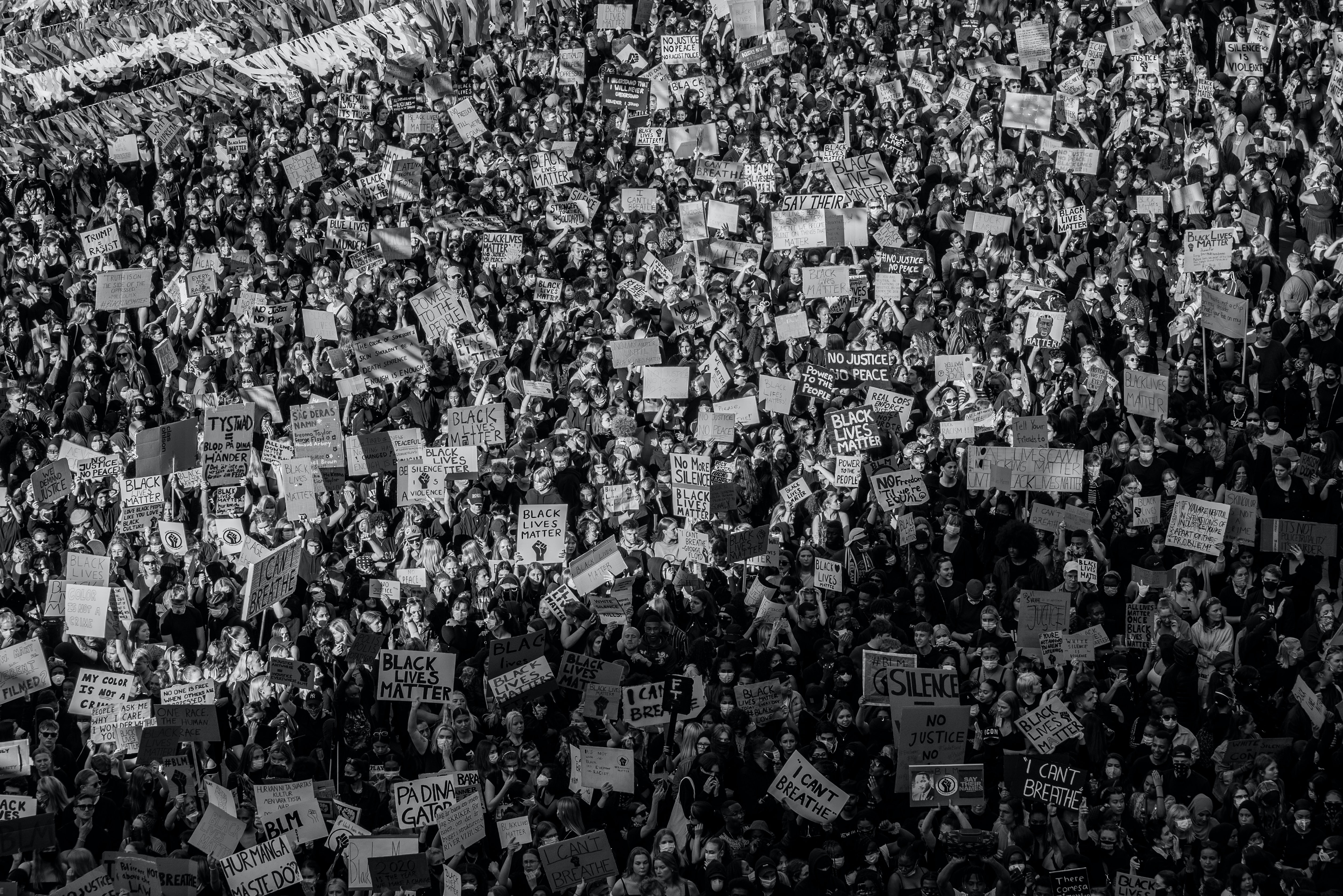
Half the US reels from this first week of mayhem. A good portion of the rest of the world too. As always, Democratic party leaders are unwilling to make the radical changes necessary to produce a coherent strategy. Grassroots organizers are paralyzed by attacks on multiple fronts at once, scrambling to serve already vulnerable communities now facing direct threats to their existence. And the failure of mass protests over the past decade to sway policy in a more humane direction has left many without a collective mechanism for voicing outrage.
Just as in the first sickening months of His Monstrosity’s first term in office, the goal is to keep us off-balance. To make us so dizzy with fear and confusion that we end up like Oz’s scarecrow: stuffed full of the shredded hopes of 100 million people, stuck in place and pointing in every direction at once.
Inside this illness, many of us inhabit two opposing states at once: grateful beyond measure for the knights and godmothers and helpful mice in one’s own tale. And burning with white-hot rage on behalf of afflicted siblings punished without end by the failures of our kings and the ones who permit their reign.
You know how to spot the villains the moment they step onto the page. Briar Rose’s wronged fairy, Jack’s giant, an entire genus of jealous stepmothers who would rather kill their husband’s children than compete for scarce resources. All you have to do is look for the most jealous, greedy, power-hungry characters. The ones whose motives make your skin crawl.
You also know from reading these stories that the villain is a straw man. He draws your attention away from where the real threats lurk. The resident miscreant, no matter how vast his appetite, can’t hold a candle to the more dangerous elements driving the plot.
You have to be able to hold two things in your head. This illness destroyed my life. But what it showed me, I could never give that back.
Jennifer Brea, Unrest
Please watch this film. It’s the story you didn’t know you needed. If you want to understand what Long COVID is about, all the articles and essays in the world won’t get you as far as Unrest. No matter that it came out in 2017 before the pandemic. The chronic illnesses that can ravage a body (and a population) after an infection have been around as long as people have.
In 1993, US President Bill Clinton signed into law the Family Medical Leave Act (FMLA). This was one of his first acts as president, and it was the fulfillment of a campaign promise to provide more protection for working families. His predecessor, George H.W. Bush, vetoed it twice despite widespread support for the bill.
Signing this act into law was, unfortunately, the pinnacle of Clinton’s progressive agenda. He went on to gut welfare and pass NAFTA. Clinton’s presidency is a textbook example of neoliberal abandonment of poor and working class Americans, and by default, almost the entirety of the middle class.
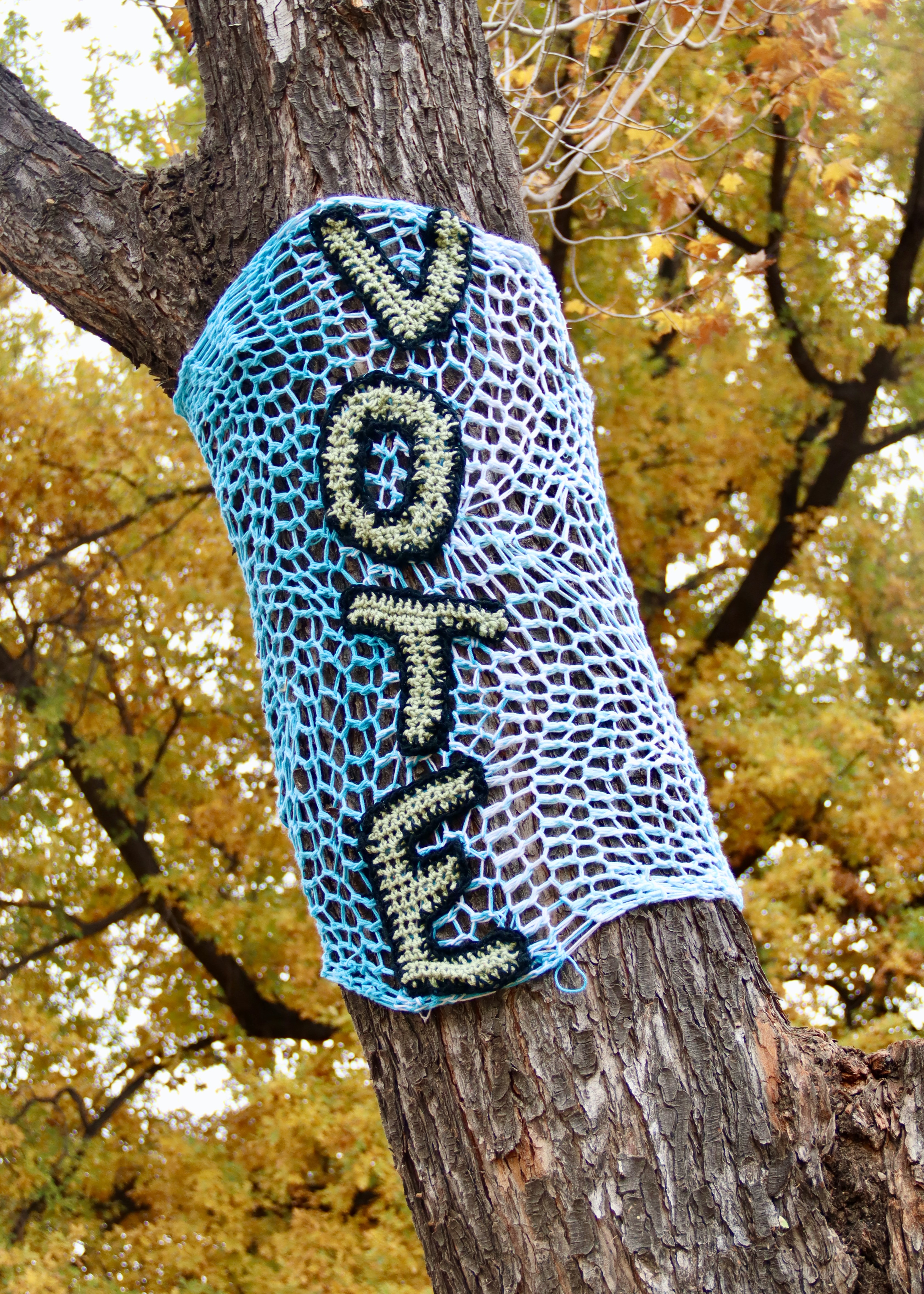
Election day isn’t until November 7, but I swung by the county government center today and cast my vote early. This is something Long COVID is not going to stop me from doing!
A genuine revolution of values means in the final analysis that our loyalties must become ecumenical rather than sectional. Every nation must now develop an overriding loyalty to mankind as a whole in order to preserve the best in their individual societies.
Dr. Martin Luther King, Jr., “Beyond Vietnam” speech at Riverside Church in New York City, April 4, 1967
From this moment on, I choose the truth of connection. You here with me and me here with you. Even when you feel yourself most alone, I am holding you. And maybe you don’t know it, but you are holding me.
The way the kindergarten teacher called it on the first day of class.
The way the receptionist spoke it into the waiting room before the annual checkup.
The way the librarian whispered it when entering information on the card.
The way the coach boomed it during lineup.
The way the camp counselor hollered it at the YMCA summer Olympics.
The way the local newspaper listed it among the loving grandchildren she left behind.
The way the principal announced it during the graduation procession.
The way the future in-laws enunciated it during that first meeting.
The way the minister intoned it when asking the dearly beloved to witness this holy union.
The way the nurse confirmed it before writing it on the birth certificate.
The way the HR assistant checked its spelling when setting up the job interview.
The way the emcee declared it at the awards ceremony.
The way the children proclaimed it when asked who their people are.
For me, the honeysuckle does it. Out walking the dog, I pass through that place behind the apartment building where the vine-covered shrubs form a loose fence line with the neighboring townhouses. There, the scent lifts me up from whatever chaos is in my head. I pause and find one underneath, going for the yellow blossom. While the fulsome white catch the eye, I’ve learned from experience. The yellowed, crepey petals store astonishing sweetness.
Sylvia Mendez was nine years old when she became the center of the landmark court case, Mendez v. Westminster. Parents and neighbors joined together in a fight to desegregate education for children of Mexican descent in southern California. The 1947 court decision banned segregation in California public schools and paved the way for the national ban on school segregation in Brown v. Board of Education seven years later.
On her first day at school after winning the case, Sylvia recalls a white boy coming up to her and telling her she didn’t belong. She says, “I was crying and crying, and told my mother, ‘I don’t want to go to the white school!’ My mother said, ‘Sylvia, you were in court every day. Don’t you know what we were fighting? We weren’t fighting so you could go to that beautiful white school. We were fighting because you’re equal to that white boy.” (LA Times)
It’s easy to hold up these historic figures as superhuman. It seems they are made of sturdier stuff than us average folk. But Sylvia Mendez was herself a reluctant hero. Her name was on that important decision, but she didn’t feel brave and fierce.
Maybe her connections to her family and her community mattered to her more than the abstract idea of equality. And maybe it was from the strength of those connections that Sylvia drew her sense of purpose.
Sylvia went on to a successful career as a pediatric nurse. For decades, Sylvia didn’t think much about Mendez v. Westminster. Then her father died and her mother became very ill. In a conversation about the case, her mother told her, “It’s history of the United States, history of California. Sylvia, you have to go out and talk about it!” Hesitant at first but guided by her mother’s conviction, Sylvia began vising schools to tell the story of her family’s fight for civil rights.
Since her retirement from nursing, Mendez’ work has grown into a nationwide effort to help students succeed. She sees the de facto segregation that still exists in American education today, particularly in the scarce resources of schools in poor communities and communities of color. She wants all students have the opportunity that she did, and she has dedicated herself to advocating for educational equity.
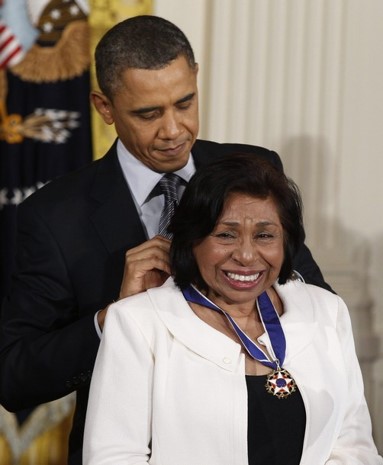
In 2011 Sylvia Mendez received the Presidential Medal of Freedom from President Obama
Behind most hero myths lurks a story of uncertainty, hesitancy, and detours. Something propels (or drags) the protagonist to the path they are meant to walk. Mendez’ connections to her family called her back to courage.
For each of us, such a force exists. Maybe hidden, maybe silent, likely disquieting, most certainly mighty.





 Shannon E. Williams