


On the eve of the March for our Lives, it’s worth remembering one of the many reasons we have to do this.
Gather. Discover. Cultivate.
On the eve of the March for our Lives, it’s worth remembering one of the many reasons we have to do this.

Face down. Flung across the bed. He cries and cries, body shuddering with sobs. Something has happened outside.
I heard about it first from an upstairs neighbor who called me after witnessing the melee from her balcony. Then two little girls, teary and clutching each other, filled me in on oh-so-many details of Bug punching one of them. The bigger kids arrived in a pack to corroborate.
My boy, the one who hits.
My boy, the object of this witch hunt. Hiding somewhere. Shunned.
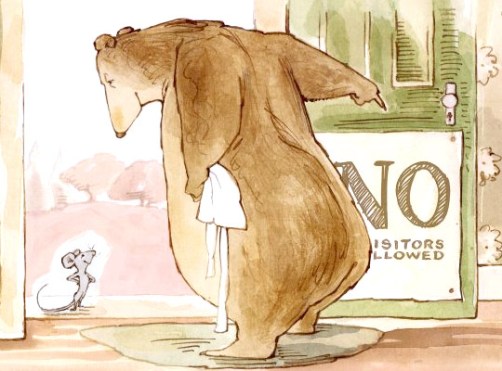
Little holes in the bag of rice gave it away. Three and half years living in this place, and here was the first sign of uninvited guests. On our next trip to town, we stopped at the hardware store for traps. Despite Bug’s insistence that we buy the $39 ultrasonic pest repeller, I opted for Tomcat traps. A four-pack for four bucks.
We smeared on peanut butter and tucked it into the cabinet corner. The next morning, we heard a snap. Big brown eyes, white fuzzy belly, limp broken body. “Oh, he’s so cute,” Bug said sadly. Into the weekday rush we crammed this death. We shrank it down to fit. School, work, a morning meeting and already late. I dumped the trap, mouse and all, into the garbage. Another dab of peanut butter on a clean trap, and off we hustled into our overfull day.
On the drive to school, regret hit hard.
He asks. I fumble. Events crash past, plowing under a vocabulary both dated and outgunned. My words like vestigial limbs grasp at an extinct terrain.
As we drive the short distance home, NPR wallops us with our nightly load of federal ordure. The new Congress just voted to pave the way for a repeal of the Affordable Care Act. Our representatives exhumed an old law which will allow them to slash the pay of any federal worker down to $1. In a stage play of quasi-constitutionalism, those who ask the toughest questions wield no power. The men in charge anoint a public opponent of civil rights as the nation’s Attorney General and an oil tycoon as Secretary of State.
Continue reading “Inauguration Eve: Make Like a Tree and (Be)lieve”

The motionless dragon in deep waters becomes the prey of the crabs.
– A fortune in a cookie in Valeria Luiselli’s The Story of My Teeth
My mother is taking a Spanish class. This is her retirement. She also teaches ESL several days a week and is active in two book clubs. Each spring, with a gaggle of bibliophiles, she travels to the UK for a mystery writers’ conference. She goes to church, putters in the garden, cooks a meal almost every evening to share with my dad, and shows up at Bug’s school events. She even pops by my house to give Noodle a daily walk while I’m at work.
All of this, and now Spanish.
“I need to do something to keep from being bored,” she says.
In all seriousness. Bored.
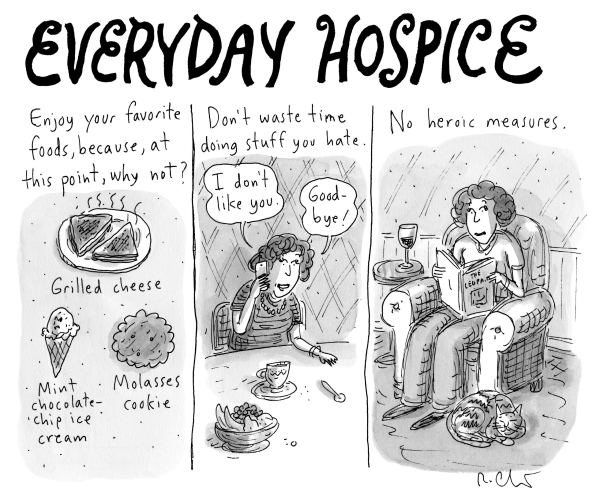
We are at the midpoint of our nine days together. On the first night, I arranged to pick up my son’s little buddy from down the hall to join us for the free Seldom Scene bluegrass concert at a local park. Bug snarled and fussed while I packed up watermelon and blankets. Then at the show, the banjo twanged, the audience swayed. Bug and his buddy rounded up a half dozen other kids and played soccer in a clearing until the trees twinkled with lightning bugs. He rode home flushed and grinning.
Yesterday morning, when packing up to go to the Spark!Lab at the Smithsonian, Bug fought until he cried. Then on the train, he thrummed with questions and leaned forward in his seat peering out the front window down the dark tracks. At the museum, he spent 2-1/2 solid hours building laser mazes, a sonar rover, a helmet with night vision and echolocation.

don’t need to hear it
to know it
so i say it
for him. i love you
baby
and you love me
too.
no
he says
no i don’t
i actually
hate you. Continue reading “You Too”

After another night of ignoring, hitting, and name-calling (the kiddo to me, not the other way around, thankfully) and a morning with even more of the same, I’m lost again. Serious anger is roiling around inside my son. His cold fury manifests as prickling hands and words. He seeks to needle. He seeks split the seams and set fire.
I recognize my tendency to respond to my son’s daggers with my own verbal stabs. I roar. I exert dominance.
These choices escalate the war.
Recovering from a recent hellish family trip to California, I posted this:
Bug’s had nine years to become the person he is. I’ve had 42. If I hope to cultivate healthier ways of being in our family, I’ll need to do it one itty-bitty step at a time.
I’m trying this now. Seeking out and attempting tiny new approaches. Even if I have no idea what or why or how, I’m trying something.
In the spirit of taking tiny steps, I choose this morning to read about natural and logical consequences.
From Alyson Schafer, “Positive Discipline: Signs your ‘Consequences’ are Punishments in Disguise” in the Huffington Post:
A logical consequence must include three distinct qualities, and if any one is missing, it’s a punishment.
1) Related
The consequence must be directly related to the child’s behaviour. This is what makes it logical. Most importantly, the child must be able to see the connection. For example, if you don’t put your clothes in the laundry hamper, a logical outcome is that your clothes won’t get washed when it’s time to do the laundry. If you tell that same child that they won’t get screen time — one of our favorite things to confiscate — if they don’t put their clothes in the hamper, the child’s perception is that their parents are using their personal power to be mean and make them pay for their mistakes.2) Respectful
Anytime you show a child disrespect, you are being punitive. (Quick test: Would you speak the same words to a friend or a coworker? If not, chances are it’s disrespectful.)3) Revealed in advance
The child must be given all the information up front so they can make clear choices in their behaviour. For example: “If you would like to eat, you need to stay at the table. If you get down from the table, you are excusing yourself and we’ll accept your choice and see you at the next meal. Please know there will be no food until that time, so when you get down, you’re done.”In short: “Stay and eat or get down and wait until the next meal to eat — your choice.” But parents must be sure to actually follow through with implementing the consequence. Too frequently we simply threaten the consequence and the child fails to learn.
Photo from The Good Men Project

Think of your child as a plant who is programmed by nature to grow and blossom. If you see the plant has brown leaves, you consider if maybe it needs more light, more water, more fertilizer. You don’t criticize it and yell at it to straighten up and grow right.
Kids form their view of themselves and the world every day. They need your encouragement to see themselves as good people who are capable of good things. And they need to know you’re on their side. If most of what comes out of your mouth is correction or criticism, they won’t feel good about themselves, and they won’t feel like you’re their ally. You lose your only leverage with them, and they lose something every kid needs: to know they have an adult who thinks the world of them.
– From “Building a Great Relationship with your Child” in Aha! Parenting
On our spring break trip to California, my son rounded up other kids at the hotel pool and played for 4 hours without pause. At the San Diego Botanical Gardens, he climbed up into tangled two-story treehouse and built a shelter out of balsa wood. On one bright morning, he hiked with his grandma and me through the hills at Torrey Pines as Pacific tides lapped at the cliffs.
He also fought, screamed, raged, cried, hit, kicked, and hurled insults. Every single day at every point of conflict, his body went rigid with defiance. He said hateful things. He brought his grandmother and cousin to tears. Me, to worse.
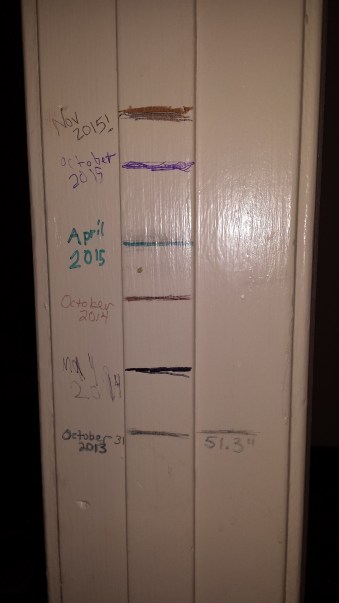
He cries almost every night. The homework is too much or I bark too loud the fifth time I ask him to wash his hands for dinner. Something tips him over the cliff and he flings himself face-down onto the easy chair in the living room. His sobs surge through his whole body. If I try to comfort him, he storms into his room and slams the door. I’ll find him there later, sprawled across the bed lost in a graphic novel. He refuses to turn, only growling, “I didn’t tell you it was okay to come in.” Continue reading “Growing Pain”
 Shannon E. Williams