
Inside this illness, many of us inhabit two opposing states at once: grateful beyond measure for the knights and godmothers and helpful mice in one’s own tale. And burning with white-hot rage on behalf of afflicted siblings punished without end by the failures of our kings and the ones who permit their reign.
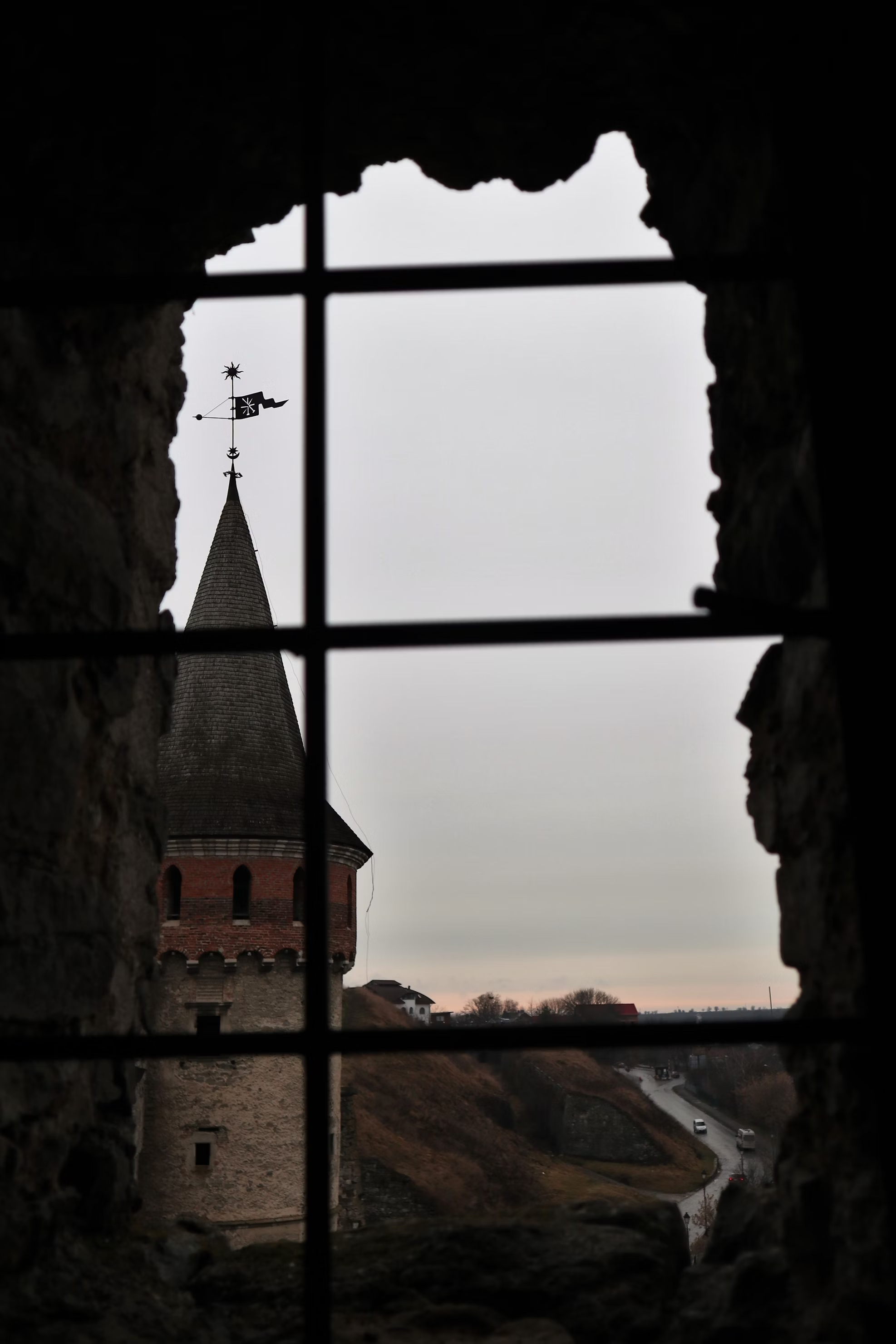
You know how to spot the villains the moment they step onto the page. Briar Rose’s wronged fairy, Jack’s giant, an entire genus of jealous stepmothers who would rather kill their husband’s children than compete for scarce resources. All you have to do is look for the most jealous, greedy, power-hungry characters. The ones whose motives make your skin crawl.
You also know from reading these stories that the villain is a straw man. He draws your attention away from where the real threats lurk. The resident miscreant, no matter how vast his appetite, can’t hold a candle to the more dangerous elements driving the plot.
To start with, fairy tale protagonists supply their own peril. From out there on the other side of the page, you can see their blind spots as near perfect counterpoints to the bad guys’ villainy. A map with an X on their Achilles heels. When the queen in disguise approaches the cottage, an apple gleaming from her basket, you cry, “No no no NO!” But your shouts are not for the hag. They are for the girl inside, reaching for the door. You can see exactly how her naivete is going to get her killed.
Your warnings go equally unheeded by the sibling as they crumble their only remaining crust into a trail of treats for the forest birds. And by Jack as he steers his mother’s last cow away from the market and right into the path of a swindler.
The villain’s power is nothing without the desperation of the innocent. It strips them (and us) as naked as an exposed nerve. All that’s needed to tempt is a simple shortcut. A secret door. A way around-under-through this impossible prison of circumstance.
When you tear your eyes away from the spectacular cruelty of the bad guy, you can see the more veiled danger in the hunger driving presumed innocent. The call coming from inside the house.
And no one is galloping to the rescue.
Might it be that this absence deserves top billing as the most treacherous element of the story?
Look beyond the villain, beyond even the vulnerability of the protagonist.
Take in the empty horizon.
The still, shuttered village.
The silence where hoofbeats should be.
Maybe you want to believe you are “just” a reader, safe out on the observation deck of the story. Until the day when, without warning, you find yourself on the wrong side of the page. You discover that you or the ones you love are up against impossible odds and your pockets as well as your scabbard are empty. That even the laws of this place are not on your side.
Maybe you imagine you could withstand the allure of the shortcut. With more fortitude and less whining, surely you and your outcast siblings – woodcutter’s progeny, after all – could build a lean-to, trap a few forest critters for hides and meat. You presume you would have the presence of mind to strike a fair deal for the cow. And if push came to shove, you could stomach living out your days as a housekeeper to seven miners.
The question you might ask isn’t whether, but how you would make the most of your good-enough fortune.
And so (you wonder), shouldn’t we?
In the chronic illness fairy tale, villains lay in wait at every crossroads. They are the grifters peddling snake oil and high-octane brain training. Their 21st century names are Dispenza, Agle, Bautista, but they are all one wolf, slipping on a sheepskin styled to their era. They hawk vials of herbs or ionized water. They sell online courses and meditation retreats in Bali.
With silver tongues tuned to the frequency of the afflicted’s deepest hunger, they are the gingerbread houses of scammers, the singing harps of charlatans. They polish themselves to gleaming like the apple they carry, in whose skin we can see our own future selves: healed and radiant and bounding across open fields.
For the unafflicted looking in, it’s easy to cry, “No no no NO!” You can see how foolish we are, how close to being taken for chumps. (Magic beans? Come on!) Why would we waste our dwindling finances and guttering energy on unproven treatments trumped up by “alternative medicine” quacks? Even our fellow ill folk holler at us from the sidelines. They have gone down that road, they know that at the other end, only heartbreak and tapped-out savings and a whole heap of self-recrimination await us.
Scam artists profiting off our illness are just one breed of bad guy. In the chronic illness fairytale, they come in so many other varieties. They wear white coats in the exam room and dismiss us with a prescription for psychiatric meds and CBT. They sit before a stack of medical research funding proposals and toss the ones for chronic conditions that disproportionately affect women into the reject pile. They sell insurance plans to employers at a discount and shove an array of lifelong, debilitating illnesses together under a single umbrella they label “limiting conditions” and cut off benefits for everything under it, even if we are bedbound and on a feeding tube.
At this moment right now, from the chronicles of the afflicted, yet another story emerges of everyday terror. It joins a dark library of fairy tales for the post-viral age. Vulnerable creatures abandoned with no options, no treatment, and no funds. Left even without shelter. Left to rot.
Not much has changed since the brothers Grimm recorded the collective fears of their place and time. Even now, the monsters lurking under every bridge are decoys. Illness, the curse we carry. In the absence of guides or guardians, every forest a purgatory, every tower a prison.
The afflicted long for the simplest things. That has also not changed. As in the days when everything from cloaks to bedsheets was made by hand, we ask only for a seat at the spinning wheel. What desire could be more mundane than turning a bit of flax into thread?
But even this is too much. Punishment is a 100-year sentence.
Readers of the chronic illness fairy tale watch as we protagonists descend deeper into the shadows. Living for years with just the wolves and crows for company. Surviving within sniffing distance of that gingerbread house, day in and day out, and never able to sample one single iced shingle, no matter how gnawing the hunger.
Until the day we do.
The one little thing we do. The act that, in another life, would have been so very normal. We say fuck it and attend a friend’s baby shower. Or we stroll a couple extra blocks to the park because the magnolias are in bloom and it’s been months since we’ve smelled a real flower.
We peek around the corner and see a nice old lady sitting at the spinning wheel.
We have gone half a lifetime without feeling anything so ordinary yet so divine as a tuft of fiber twirling and stretching into a fine thread. We want to craft something sturdy. To know ourselves useful. To give our hands to the making.
We are not fools, we afflicted ones. We have the same appetites as any of our fellow creatures, fictional or otherwise.
I ask you: What should the protagonist do? Slog through the poisoned wood until the forest devours our bones? Entomb ourselves in silence? Forgo and suffer, pay penance and suffer, have the nerve to carry on and suffer, and suffer, and suffer some more?
Do fairy tale innocents deserve the harsh consequences we face?
Do any of the afflicted?
Even if we accept the proposition that weakness contributed in some small part to our dire situation, does it follow that we deserve our plight?
Does it follow that we have forfeited any claim to care or aid?

Shout yourself hoarse, we will not hear your warnings. Because you are safely over there. We will keep seeking refuge and relief even if it means climbing right into the giant’s lair.
Until you arrive here with us.
Where you have (let’s face it) always been.
Every reader lives in the story. It is true whether you accept it or not. Now you watch us wandering the wilderness. One day, if you are blessed with a long life, you will become one of us.
What if you could step over here and give rise to another character? What if your action set in motion an alternate storyline?
You might even invoke the plot twist needed to save us.
You, the policymaker, the employer, the health care worker, the voter. You, the parent, the neighbor, the friend. Who do you choose to be in this story? If not the villain, then who? A fighter? A seeker of untapped magic? A voice raising a battle cry to your countryfolk to stand together in resistance?
A villager hearing that call as it comes rolling through the valley, and gathering your meager bundle – whatever skills and tools you can carry – to answer it?
How will you enter this story?
How will you join us in changing it?

 Shannon E. Williams
Powerful and heartfelt, Shannon ❤ In the fairy tale, I would be the Fairy Godmother who makes the impossible possible. It's another story in the real world. Through my own unfortunate recent experience as a member of the working class, I've come to realize that our health care system is truly broken. Where does one begin? For decades Senator Bernard Sanders has been fighting for universal health care for all, with little progress to date. The struggle continues….
You are a fairy godmother, Rosaleine, thank you for your wishes. The health care system is a total disaster.
🙂 ❤
some fellow travelers @ https://thesicktimes.org/
Oh – my – goodness…. this is SO good!
Well done, and good luck… from a fellow “sicko”.
Linda xx
Thank you so much for reading! Sending gentle wishes your way too
🥰
I don’t think the people in charge (or the general population for that matter) can take this in, but bearing-witness still matters:
https://web.archive.org/web/20240824162732/https://www.theglobeandmail.com/opinion/article-why-do-we-have-to-keep-getting-covid/