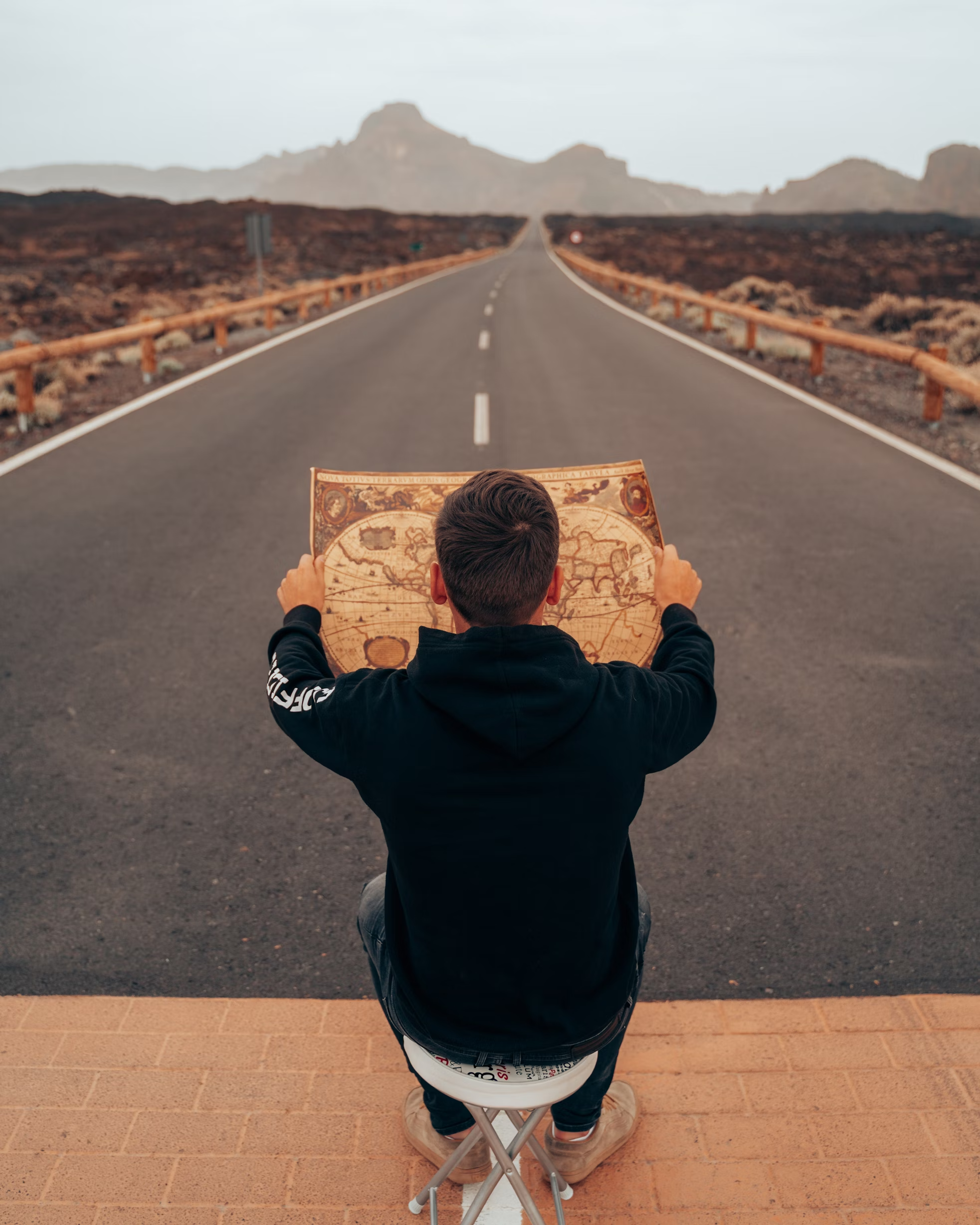
Half the US reels from this first week of mayhem. A good portion of the rest of the world too. As always, Democratic party leaders are unwilling to make the radical changes necessary to produce a coherent strategy. Grassroots organizers are paralyzed by attacks on multiple fronts at once, scrambling to serve already vulnerable communities now facing direct threats to their existence. And the failure of mass protests over the past decade to sway policy in a more humane direction has left many without a collective mechanism for voicing outrage.
Just as in the first sickening months of His Monstrosity’s first term in office, the goal is to keep us off-balance. To make us so dizzy with fear and confusion that we end up like Oz’s scarecrow: stuffed full of the shredded hopes of 100 million people, stuck in place and pointing in every direction at once.
Like everyone I know, I’ve been watching the horrors with an increasing sense of alarm. At least in 2017 I could channel fury into action. I marched. Hosted “kitchen conversations,” circles of friends learning the buried histories of resistance movements and supporting each other in taking action. Along with millions of others, I called my representatives, got involved in local progressive groups, and volunteered in direct aid efforts for neighbors under attack by the new administration.
This time around, ME/CFS forces me to conserve all my energy for survival.
Meanwhile, all around me friends and neighbors are losing their shit. Many dear ones are feds or government contractors. After this first week of Executive Orders, they are watching with increasing dread as a tsunami of ruin barrels down on them.
How familiar all of this is. Not just in its similarity to the first term, but in its similarity to living with a chronic illness. This condition is a miniature version of what’s happening on a national scale.
What our panic-stricken compatriots are experiencing now is the daily reality of multitudes on this planet. Our marginalized and vilified siblings experience trauma that far eclipses ours, yet people with ME/CFS also exist in a state of suffering we did not bring on, do not deserve, and cannot control. We face futures that look nothing like what we once believed we might have, that others expect and take for granted. Every day serves up a fresh menu of dread.
The anxiety. The sense of impotence. The bleak outlook. The appalling lack of informed, expert knowledge that could help map out a plan of action. The desperation. The rage. The exhaustion.
The grim, unrelenting desire to just give the fuck up and let it burn.
We’ve been living this personal nightmare for years. Some, for decades.
Given this grim congruity, what if life with a chronic illness is not just a burden (which it most definitely is). What if it is also a beacon?
What if the afflicted have a perspective that can help right now, even if just a little?
We certainly don’t have answers for how we organize to save our precious planet from the insatiable appetites of this oligarchy of ogres. What we may have are tools for staying well as we face down grave injustice.
For playing the long game.
Here are a few things we have to offer. May our demoralized, able-bodied compatriots find some use in them.
Learn and practice acceptance of this state of affairs. Acceptance does not equal approval. Instead it means facing the situation we are in head-on. It foregoes delusional and magical thinking, avoidance and denial. This here is the hand some force outside us dealt us. It’s cruel and unfair. But it’s what we have to work with. So we do.
Focus on what we can control. We manage what we are able and breathe through the rest. There is nothing to be gained by running ourselves ragged anticipating every catastrophe and trying to prepare for it. When the time comes to handle more – which it certainly will – we trust that the resources to respond will somehow emerge from whatever we have sown. For now, we give ourselves fully to the activities within our sphere of influence.
Identify what is critical and what is not immediately so. Even if many, many things matter and it feels like our world is caving in around us, we triage. What most impacts our survival and basic functionality? Prioritize as emergency medicine does. Some precious things will perish regardless of our intervention. Some things will limp along for a while, wounded but alive, regardless of our intervention. It’s the third bunch – the things that may well be saved with focused work from us but will succumb without it – that we attend to. With limited resources, it’s necessary to be selective about what gets our attention.
Ask for help and give it back. Admitting to need is hard. It stands in sharp contrast to the fiction of self-reliance. But the small-scale dependence of the afflicted is a reflection of a much larger interdependence. Every person on this planet has needs which are only going to grow more urgent in this chapter we have entered, and we will not be able to rely on institutions to provide. Seeking support and information outside the sanctioned sources and sharing it generously builds the aid networks that we will all increasingly have to rely on. We might as well start being brave enough to reveal our vulnerabilities and stay open when others do the same. This is the time to hold close and stick by the people who show up for us, and feed those relationships with whatever reservoir of love we can muster.
Cultivate pockets of personal peace. Many of the afflicted are worried and terrified about this precious world. We are also worried and terrified about our precarious health and the perils that await us if we lose more functionality. But living a life of worry and terror is no way to live. Over and over, science has shown that stress can worsen our physical and mental health. So while we cannot remove the stressors – which are legion – we can decide to calm the nervous system and quiet the mind. This can take many forms, from meditation to walks to cooking to music. Whatever it is, the world will not collapse if we gather our breath. Quite the opposite. Centering ourselves on the regular is an investment in our long-term capacity to stay in the good fight.
Be alert to the danger in the myth of individualism. The only way forward is together. Movements wilt and collapse when fractured by self-interest. They gain strength and sustainability when the people who comprise them share the work not only with each other but with communities who have overlapping goals. Sure, the way is slower. But it’s also how to build what lasts. If the beautiful future still has any chance to live, our circles of relationship will be the sources of imagination, endurance, and collective power we will desperately need in the days and years ahead.
Where there are stories of cruelty and injustice, there are always stories of resistance. We – not just we the afflicted, but all of us who want to push back against the escalation of evil and grow loving community – can refuse to let the fear they stir up in us incapacitate us. But like any habit, this takes practice and time.
The expertise of people with ME/CFS in navigating harrowing circumstances can be one small source of these skills. But we are just a drop in the sea, one among far too many targeted communities refusing buckle under hate and neglect. Throughout history and right now in many corners of the globe, these struggles offer tools to the common supply we will all increasingly need to draw on. I hope our ME experience can add something to that supply as well. That our small lives can at least make this contribution.
In this terrible time when the sowers of chaos most want us to hunker down and protect ourselves, we will keep fighting for our shared existence.
Together.

 Shannon E. Williams
Shannon, I give thanks that you have found your inner power, once again. “What if the afflicted have a perspective that can help right now, even if just a little,” you ask. Without a doubt, I say. All your recommendations/suggestions for the long game are spot on. Together, within our small networks and communities, we will overcome and triumph. In solidarity!
Yes, Rosaliene! Thank you for the encouragement and solidarity! It gives me strength to know we’re in this together
❤
it’s an inspiring list but I’m afraid beyond the grasp of most folks, just another thing we have to try and make peace with I suppose. Wish we had better resources on how to deal with radical impotence…
It’s dismal out there but I’m not ready to give up yet. Stay steady my friend! None of us is alone
yes sorry not suggesting giving up just noting how most people react (and don’t). ever onward